
How Can You Suppress Blood Test Results in DWI Prosecutions?
Driving while intoxicated charges often rely heavily on scientific evidence, and few pieces of evidence carry as much weight as blood test results. Blood draws can feel decisive to prosecutors, yet they aren’t immune from challenge.
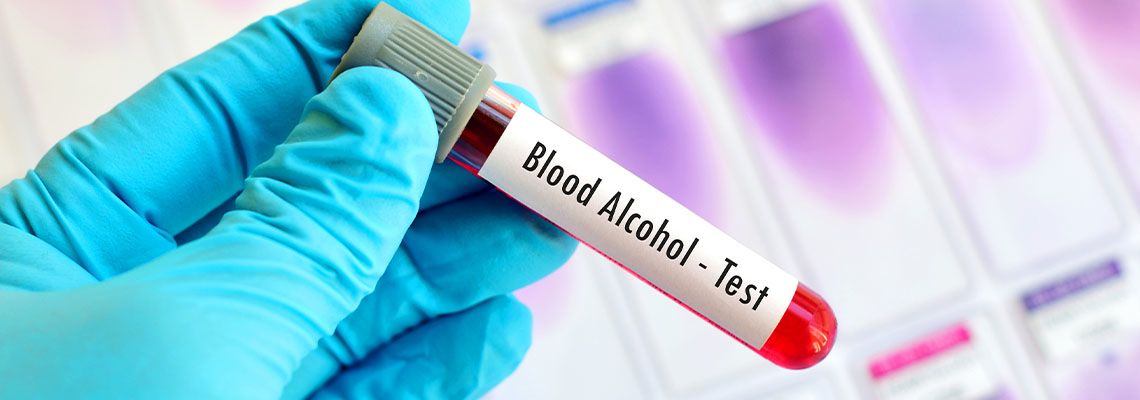
Questions about how the sample was collected, handled, and analyzed may affect whether the results should be admitted into evidence in court. Blood sample testing sits at the center of many DWI prosecutions, and problems at any stage may open the door to suppression.
At The Law Office of Justin K. Hall P.C. in Garland, Texas, I represent individuals facing DWI charges, assisting clients throughout Dallas, Rockwall, Collin, Hunt, and Kaufman. When blood sample testing becomes a key issue, I help clients evaluate the legal options available to challenge that evidence. A timely conversation can shape how a case develops, so reaching out early can matter.
The Legal Basis for Suppressing Blood Evidence
Suppressing blood evidence usually starts with the Constitution. The Fourth Amendment protects against unreasonable searches and seizures, including the drawing of blood.
Courts take this protection seriously because a blood draw is considered an invasive search. If law enforcement didn’t follow required procedures, blood sample testing results may be excluded.
This constitutional foundation connects directly to practical case strategy. When officers cut corners, that misstep can ripple through the prosecution’s evidence.
Warrant and Consent Issues
Blood draws in DWI cases usually require a valid warrant or voluntary consent. When officers rely on an improper or inadequately supported warrant, obtain consent under pressure or confusion, or incorrectly invoke an emergency exception, the legality of the blood draw may be challenged. If these issues are present, the court may suppress the blood test results.
Problems With Blood Sample Collection
Even when officers have the authority to draw blood, how the blood is collected matters; errors during collection can affect its reliability and admissibility. Blood sample testing is subject to strict medical and legal protocols.
Collection issues often come into focus once the legality of the stop and arrest is examined. A flawed arrest can lead to flawed evidence.
Collection Procedures and Personnel
Texas law places limits on who can draw blood and how it’s done. Common concerns include:
Unauthorized personnel: Blood must be drawn by qualified medical professionals or technicians approved by law.
Unsanitary conditions: Contamination risks can distort blood sample testing results.
Improper equipment: Non-sterile or expired equipment may compromise accuracy.
These details may seem technical, yet courts recognize their importance in determining whether evidence should be admitted.
Chain of Custody and Handling Errors
Once blood is drawn, it must be carefully tracked from collection to analysis. Any gap in the chain of custody raises questions as to whether the sample tested actually belongs to the defendant or has been altered.
Blood sample testing doesn’t happen in isolation; it’s part of a process that must be documented. Chain-of-custody issues often surface during discovery, where records reveal inconsistencies.
Storage and Transportation Concerns
Blood samples are sensitive and require controlled storage. Problems can include:
Improper labeling: Missing or incorrect labels raise doubt as to the sample's identity.
Temperature issues: Samples stored at the wrong temperature may ferment or degrade.
Unexplained transfers: Each handoff must be documented; otherwise, reliability is in question.
When these issues appear, suppression arguments gain traction because reliability is central to admissibility.
Laboratory Testing and Analysis Challenges
Even if collection and custody were handled correctly, the lab analysis itself may present problems. Blood sample testing relies on machines, calibration, and human oversight.
Errors here can directly affect reported blood alcohol concentration levels. As cases progress toward trial, lab procedures often become a focal point for cross-examination and motions.
Testing Protocols and Technician Practices
Laboratories must follow standardized procedures. Deviations may weaken the prosecution’s case, such as:
Improper calibration of equipment: Machines require routine checks to produce accurate results.
Outdated testing methods: Science evolves, and reliance on outdated practices can be questioned.
Technician errors: Inadequate training or documentation gaps can affect credibility.
An experienced DWI lawyer can review lab records and identify weaknesses in testing protocols that may support suppression or reduce the weight of blood sample testing results. Challenging these aspects doesn’t require proving innocence, only raising reasonable doubt about the blood sample testing process.
Tying Suppression Issues Into a Defense Strategy
Suppressing blood evidence can significantly alter how a DWI case unfolds. Without blood sample test results, prosecutors may rely on weaker evidence, such as officer observations. That shift can open new defense opportunities.
I help clients connect these suppression issues to their broader defense, looking at how each stage of the case affects the next. A traffic stop leads to an arrest, an arrest leads to a blood draw, and that draw leads to lab testing. When one link breaks, the entire chain weakens.
Throughout this process, clear communication matters. Clients deserve to know how suppression arguments fit into their case and what outcomes may realistically follow.
A Path Forward When Blood Evidence Feels Overwhelming
Facing DWI charges tied to blood sample testing can feel stressful, especially when scientific evidence seems stacked against you. Still, blood evidence isn’t automatic or unquestionable. Each step, from warrant to lab report, must meet legal standards.
I work one-on-one with clients through The Law Office of Justin K. Hall P.C., focusing on how the law applies to their specific situation. Reviewing records, identifying procedural missteps, and filing motions are all part of helping clients push back against questionable blood sample testing.
Finding Support When Blood Sample Testing is Central to Your Case
Blood evidence can shape a DWI case, but it doesn’t determine the outcome. Suppression may be possible when rights weren’t respected, or procedures fell short.
I help clients in Garland, Texas, and throughout Dallas, Rockwall, Collin, Hunt, and Kaufman with blood sample testing issues. If you’re facing DWI charges and have concerns about blood evidence, reach out to me at The Law Office of Justin K. Hall P.C. to discuss your options.